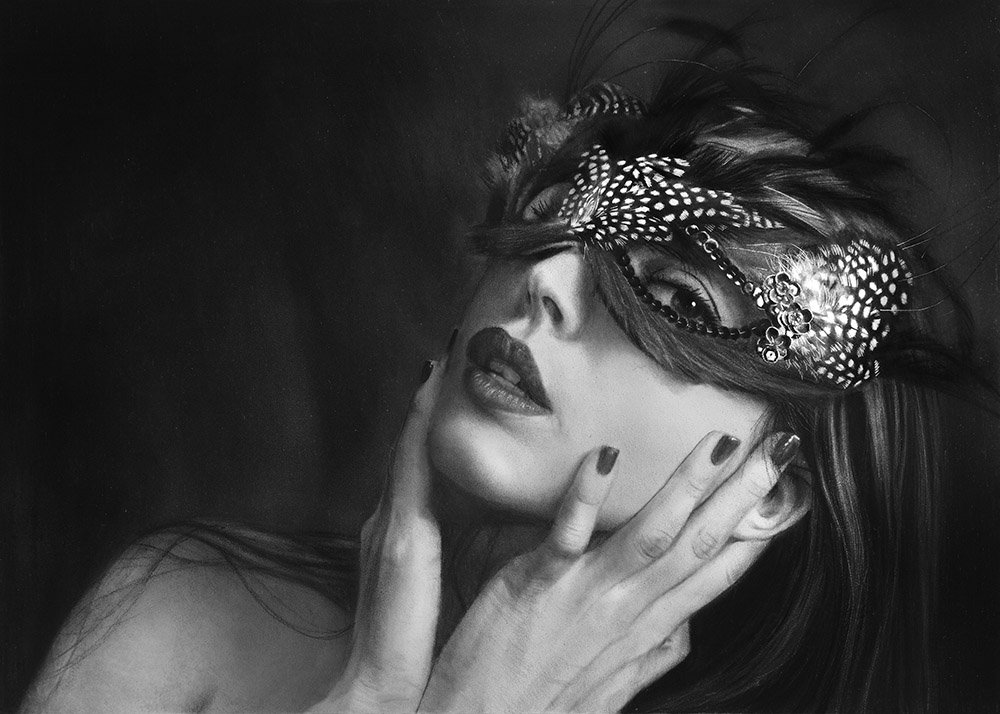
What are goldpoint drawings? The story begins around 1400, with the Renaissance art of silverpoint, which is the art of drawing with a silver stylus or wire directly on to paper coated with a specially prepared ground. If you are unfamiliar with either the term or the medium, it is best to think of the silver stylus as a propelling pencil with the lead (graphite) being substituted by a silver wire. As the silver wire is drawn across the surface of the paper, minute particles become embedded in the special abrasive ground (similar to an undercoat) leaving a line that turns a very dark grey.
Almost any metal and most alloys can be used for drawing, but historically the most commonly used metal was silver. When metals other than silver are used, we refer to them by the generic term of “metalpoint”. Irrespective of the type of metal, all metalpoints look grey when the lines are first drawn.  Most pure metals, whether silver, copper, tin, lead, and all alloys will tarnish over time, changing the colour and therefore the look of the drawing. The only metals that do not tarnish are 24ct gold, palladium, and platinum, which unfortunately are also very expensive.
As a medium, silverpoint reached its peak in the 15th and 16th centuries during the Renaissance. Many of the great masters of this period such as Leonardo da Vinci, Raphael, and Albrecht Durer used it to create some of the most beautiful and recognizable drawings in the history of art. Yet by the late 1500’s it had all but disappeared; its demise no doubt hastened by the discovery of graphite in 1560. Unlike silverpoints, graphite drawings could be done on unprepared paper, mistakes could be erased, and graphite was much less expensive to use than precious metals. There it remained, languishing in relative obscurity for many centuries until recent times, when it seems to have experienced something of a revival. Although one of the most difficult of all mediums to master – errors cannot be erased - silverpoint drawings (and those in the broader category of metalpoint) have a subtlety of line and a tonal beauty that no other drawing medium can rival.
Instead of traditional silver, Gordon Hanley works mostly with 24ct gold on paper (“Goldpoints”) and he has been at the forefront of a world revival in this beautiful art form.
The drawing grounds take approximately two days to prepare using his own unique formula on Infinity Grade Arches 300gsm hot press rag art paper – the same stock used by the Louvre museum for their reproductions and will last for thousands of years. The goldpoint drawings themselves usually take many weeks to complete (often in excess of 200 hours of studio time) where the average 72cm x 52cm work is composed of around 800,000 – 1 million individual stylus strokes. Each has to be perfect in execution as metalpoints are essentially non-correctable – once a line is drawn, it cannot be erased. The white areas are un-drawn on paper, the dark areas pure silver and/or platinum overworked with gold. On completion, every square millimeter of the drawing is again worked over in 24ct gold which unifies the surface and adds a shimmering golden lustre to the entire artwork. There is an almost unearthly sense of realism to these beautiful drawings that often make a profound emotional connection between subject and viewer.
Goldpoint
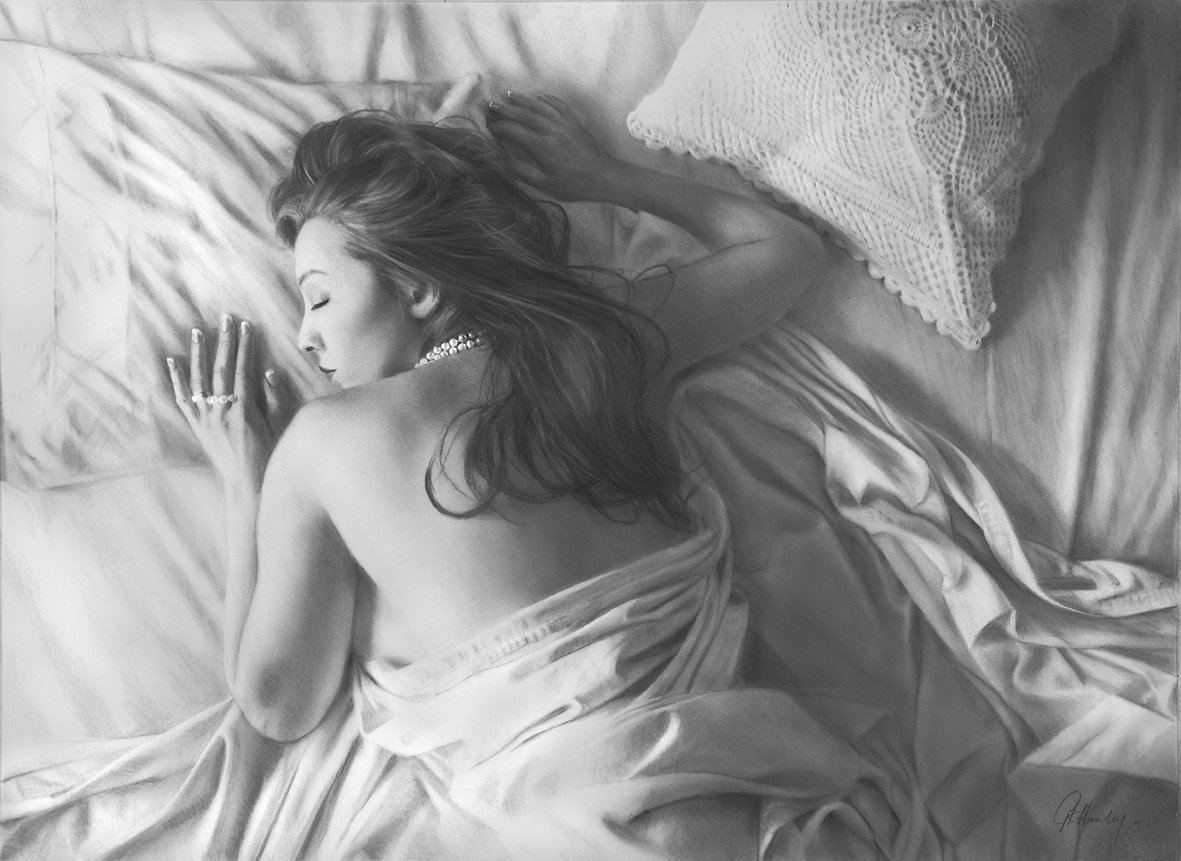
Early Evening - 72cm x 52cm in 24K Gold and pure silver
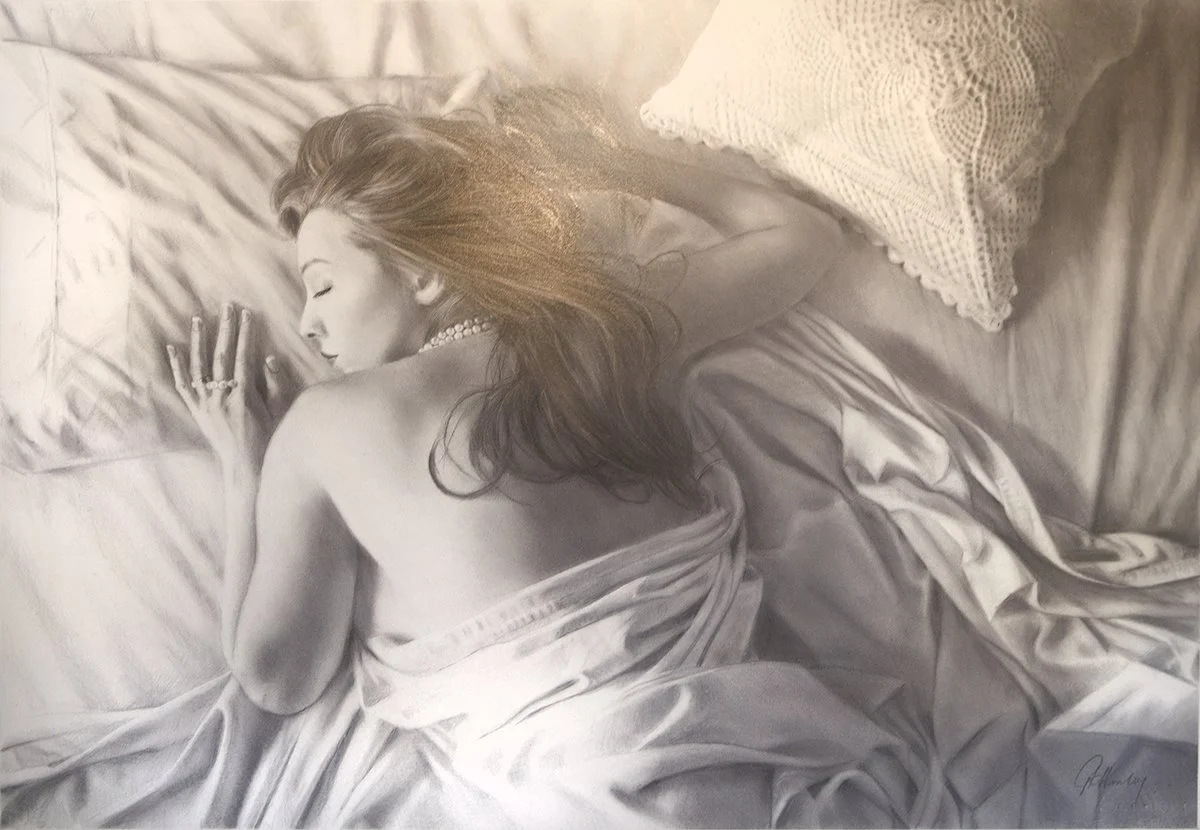
Early Evening - showing the gold shimmers when light is shone directly in front of the artwork - a uniquely beautiful feature of goldpoint drawings.

Serenity - 46cm x 61 drawing in pure silver

Taboo - 60cm x 40cm in 24K Gold and pure silver
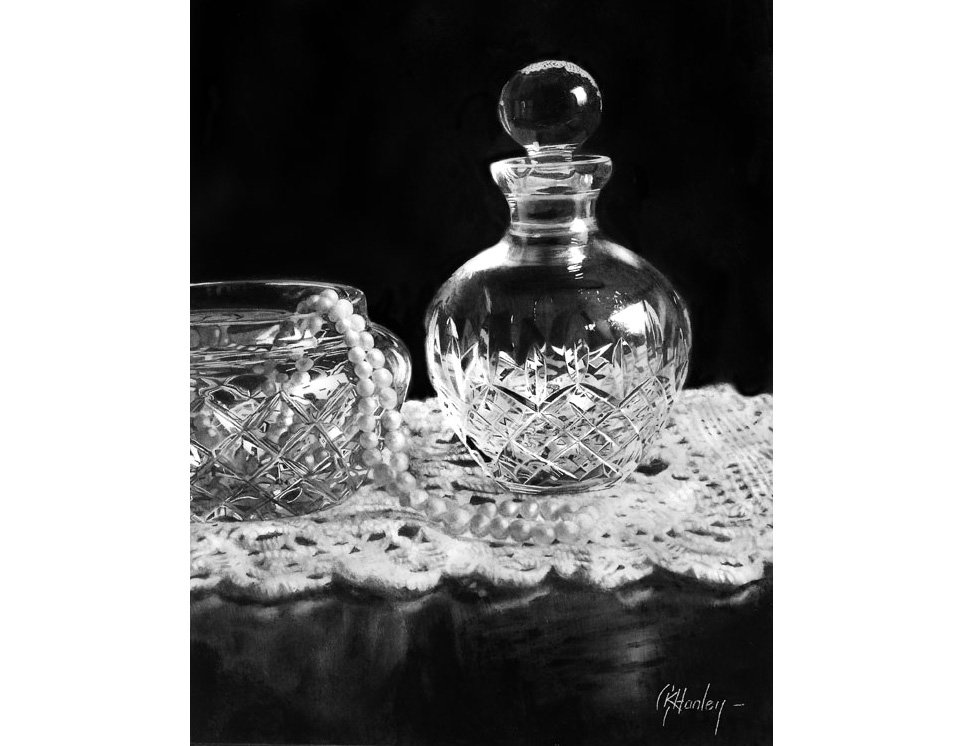
Perfume and Pearls - 17.5cm x 24cm in 24K Gold and pure silver

The Night Watch - 72cm x 52cm in 24K Gold and pure silver

Bravura! - 72cm x 52cm in 24K Gold, silver Platinum and white gold leaf
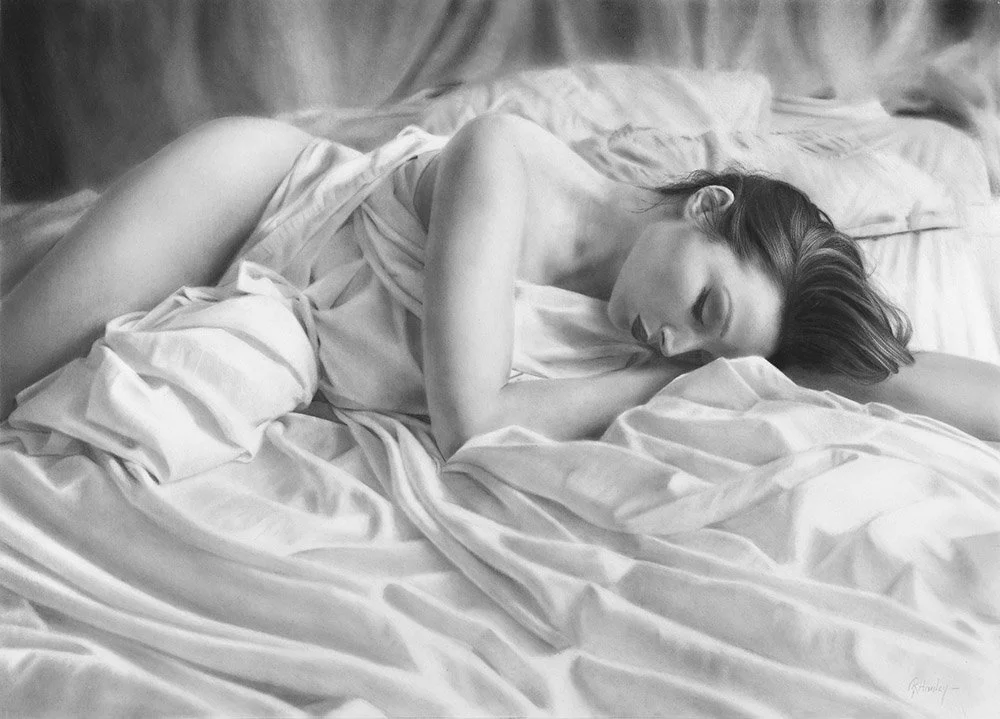
Summer Dream - 72cm x 52cm in 24K Gold and pure silver

Harlem Nocturne - 72cm x 52cm in 24K Gold, Platinum, silver, aluminium and 24K gold leaf. A foray into 1950's crime noir films. Available as a limited edition print of only 10 copies, prints are hand gilded in 24 carat gold.
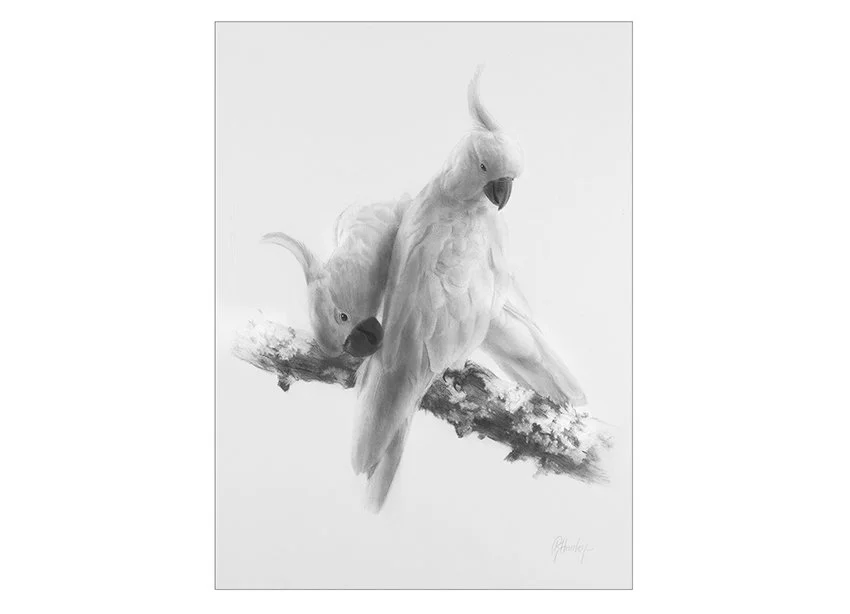
Togetherness - 55cm x 40cm. Two of the Sulphur-crested Cockatoos that have been dropping onto my veranda railing most days for the past 20 years

Mysterioso (2011) - 60cm x 30cm in 24K Gold and pure silver. The lower image shows the golden shimmers when photographed under direct lighting
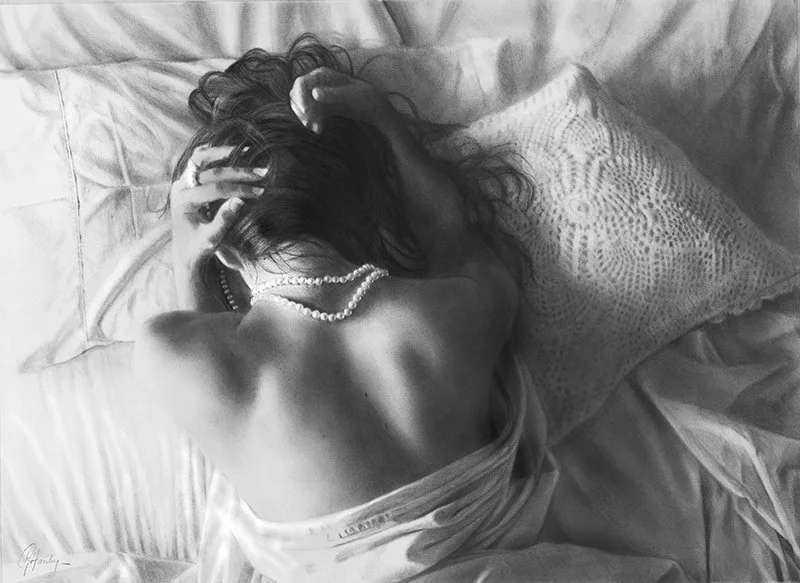
Fleeting Dreams - 72cm x 52cm in 24K Gold and pure silver. Used by the ARC (the world's largest realist art website) as the advertisement for the drawing section of their annual art competition. Available as a limited edition print of only 10 copies.
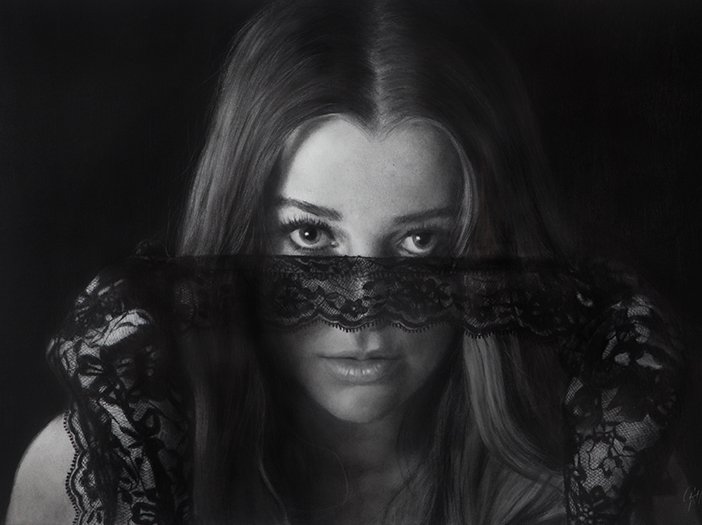
Night Games - 58cm x 40cm in 24K Gold and pure silver with a touch of carbon.

Old Roses and Perfume - 48cm x 60cm 24 carat gold and pure silver on Renaissance drawing ground
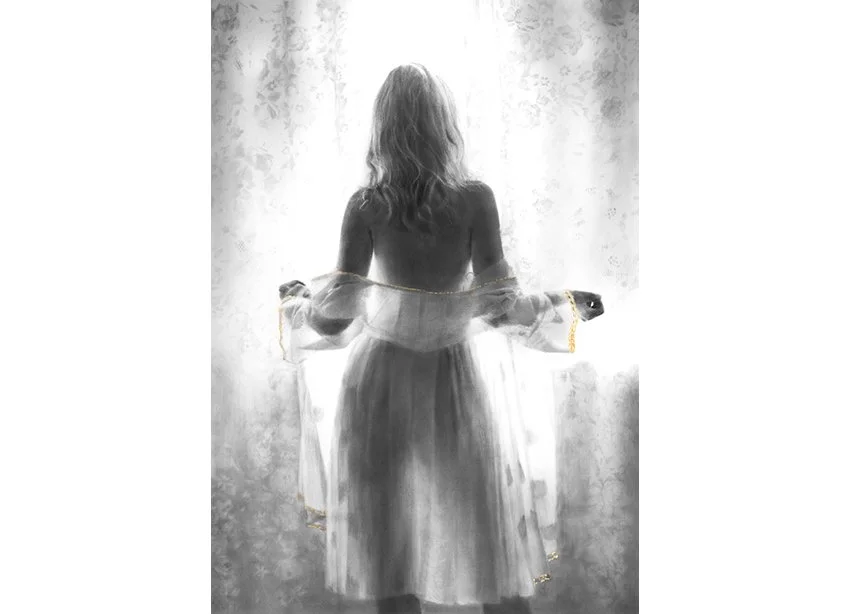
Musetta's Waltz - 72cm x 52cm in 24K Gold, Platinum and 24K gold leaf. Available as a limited edition print of only 10. Prints hand gilded in 24 carat gold.
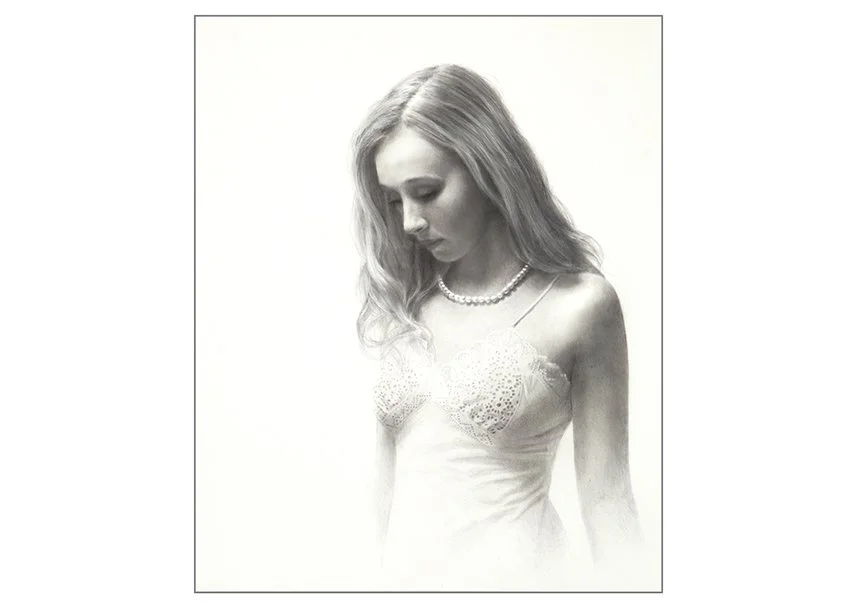
Innocence - 40cm x 50cm drawn in 24K gold and platinum.

Danse Noir - 68cm x 96cm in 24K Gold and pure silver

Madama Butterfly - 72cm x 52cm in 24K Gold, pure silver and 24K gold leaf. - 72cm x 52cm in 24K Gold, pure silver 24K gold leaf. Also available as a limited edition print of only 10 copies. Prints hand gilded in 24 carat gold.
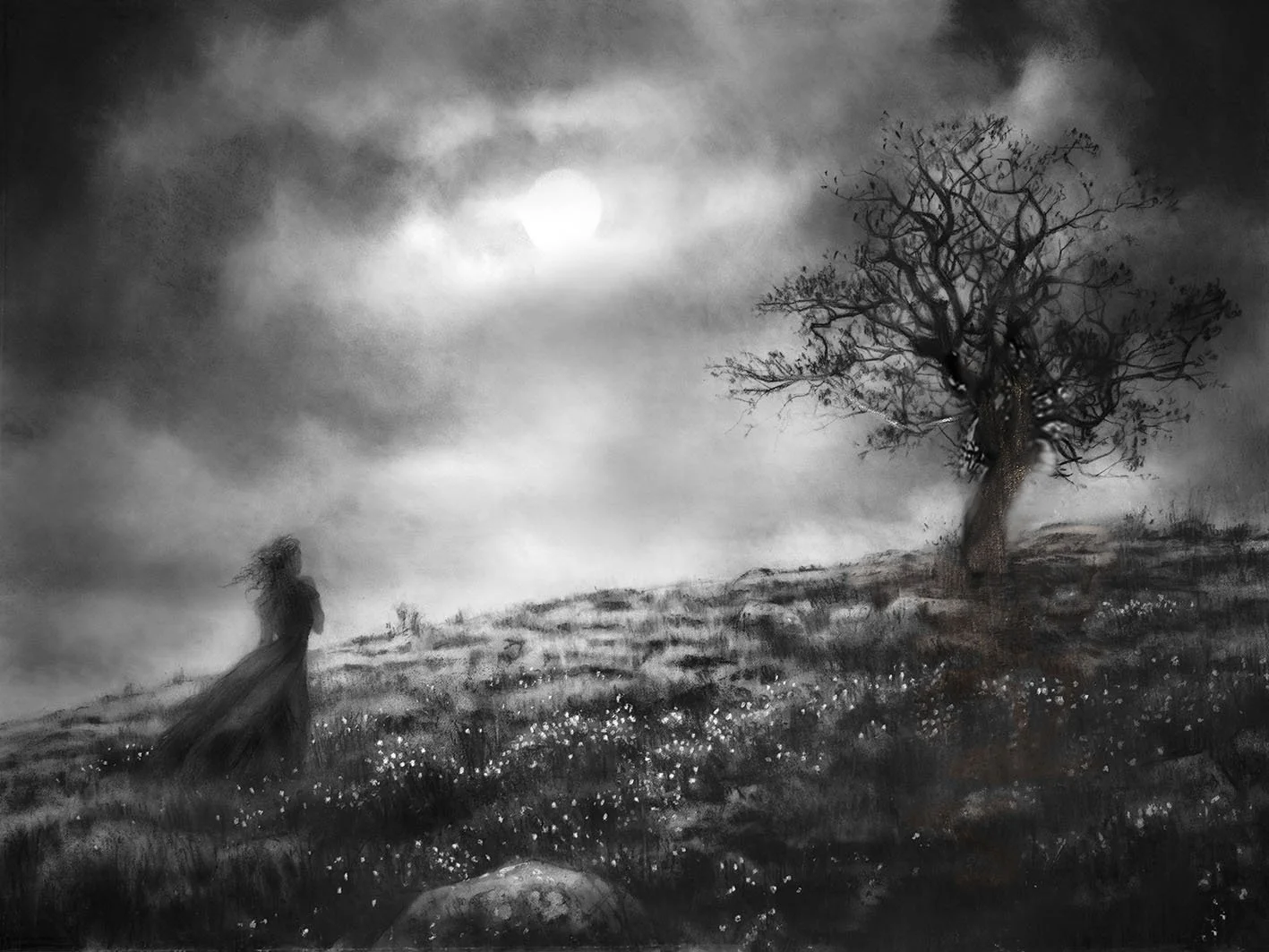
Nessun dorma - 72cm x 52cm in 24K Gold, pure silver 24K gold leaf and white gold leaf. Also available as a limited edition print of only 10. Prints hand gilded in 24 carat gold.
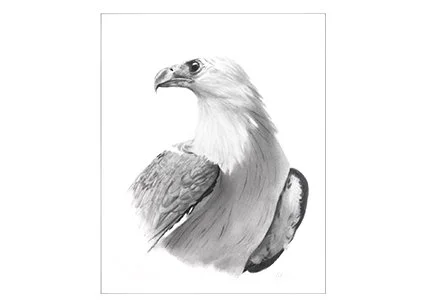
Sea Eagle head study - 35cm x 48cm. Drawn in 24K gold and pure silver.
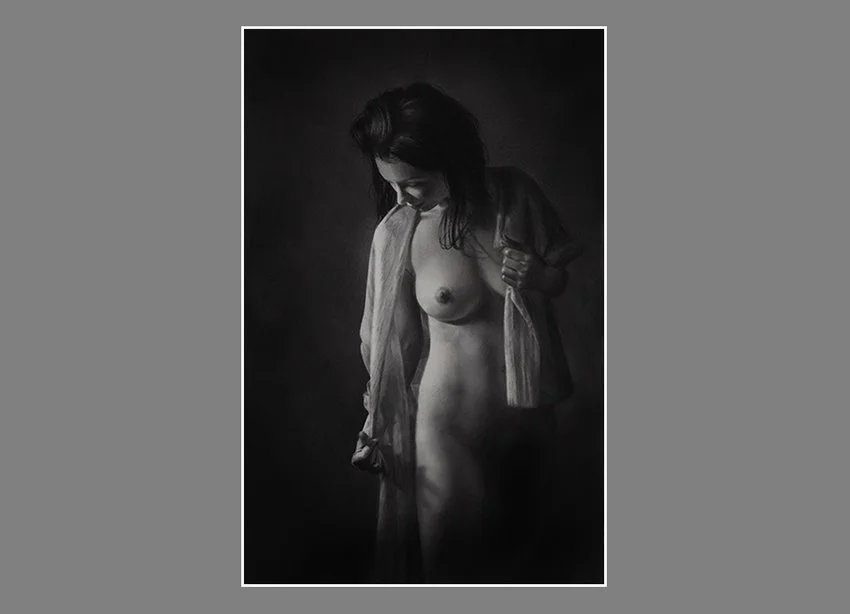
Study by Moonlight - 33cm x 51cm. Drawn in 24K gold and pure silver.

Anniversary - 24cm x 17cm in 24K Gold and pure silver
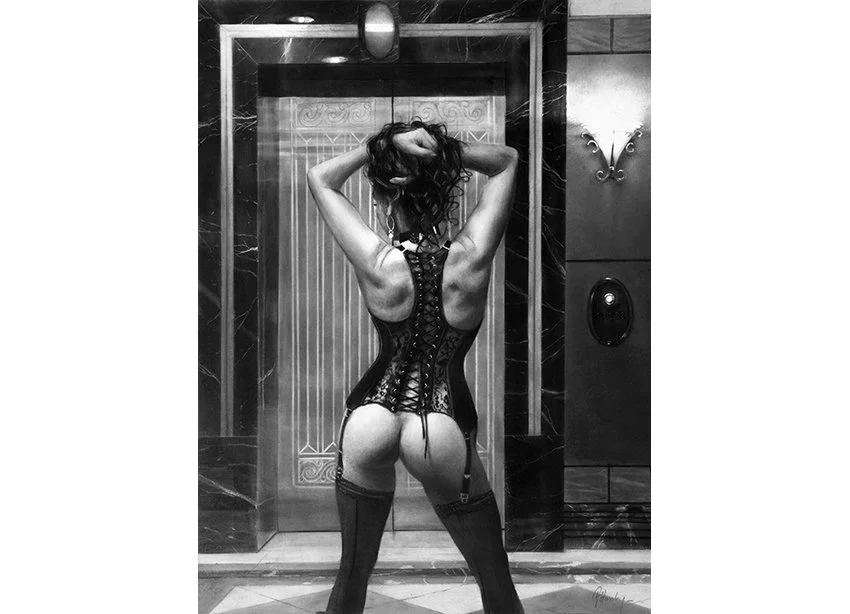
Zoe - 72cm x 52cm in 24K Gold, pure silver.

Bright Eyes - 50cm x 40cm in 24K Gold and pure silver
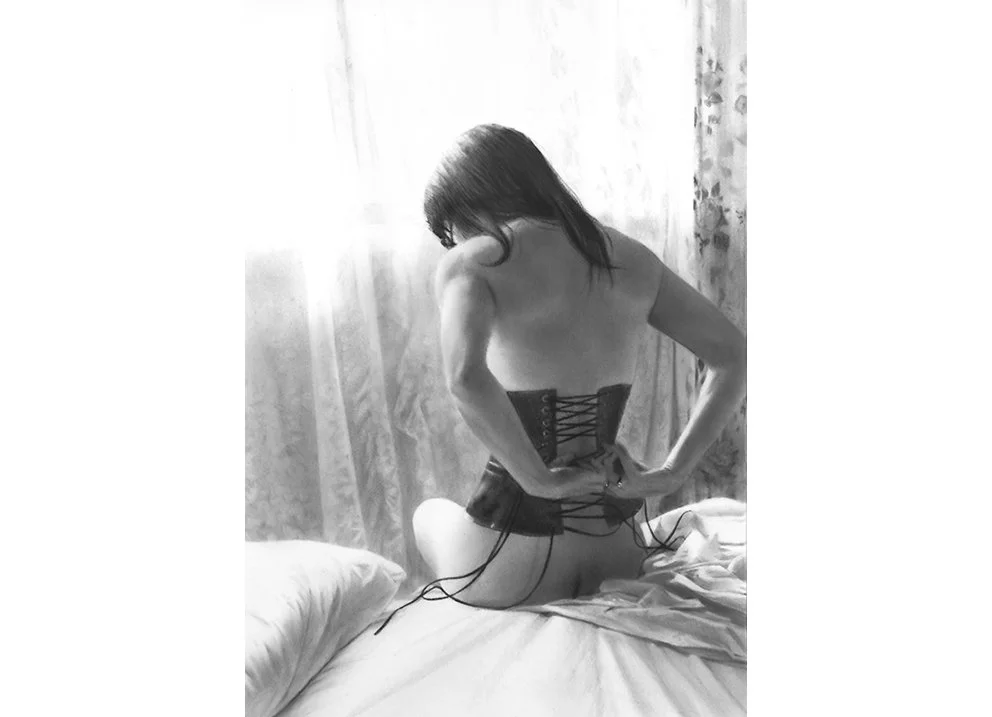
The Corset - 35cm x 52cm Drawn in 24K gold and pure silver.
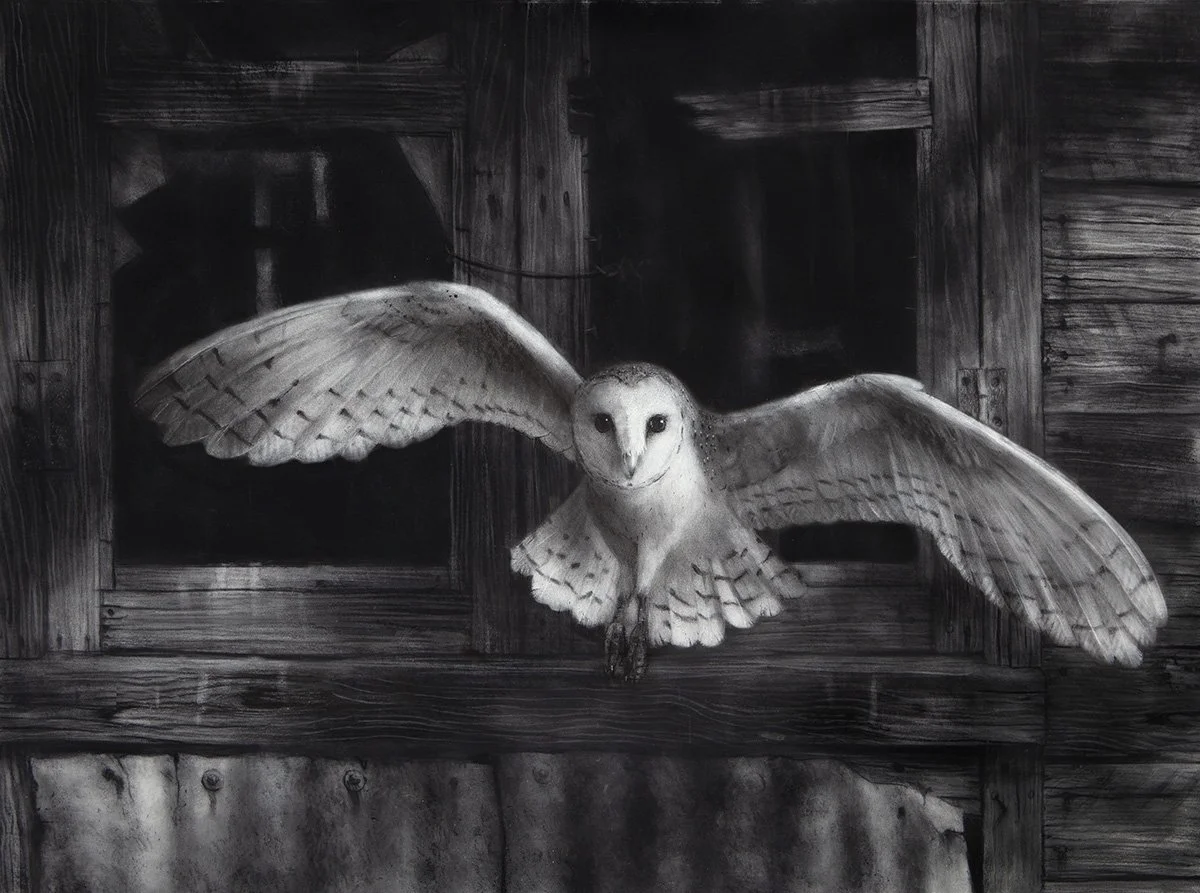
Night Flight - 72cm x 52cm in 24K Gold, pure silver and platinum. Also available as a limited edition print of only 10 copies.
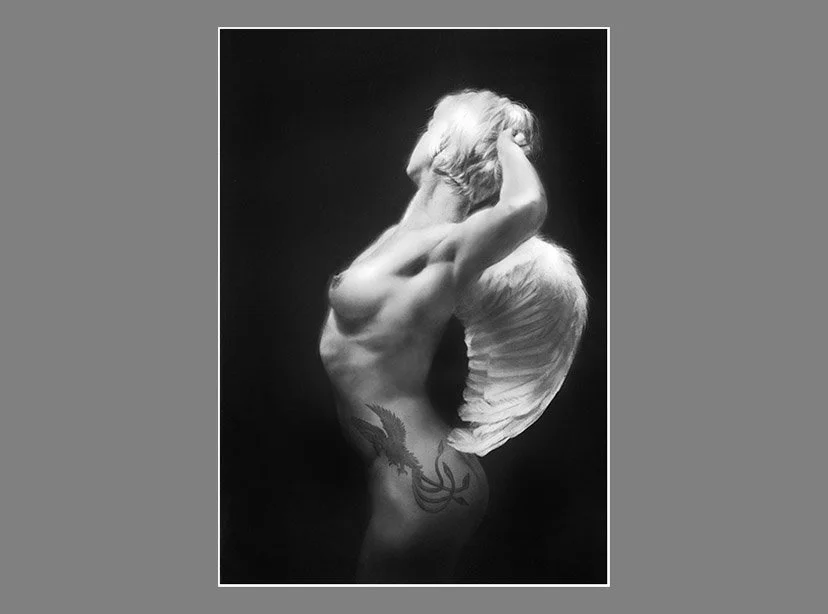
Angel Rising - 52cm x 33cm drawn in 24K gold and pure silver.
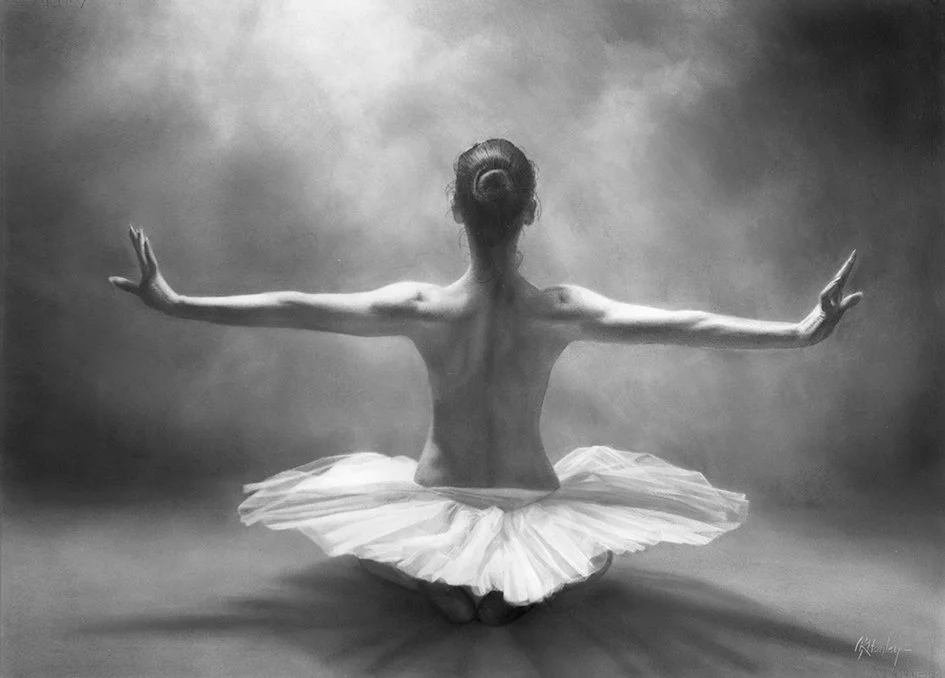
Zen Ballet - 72cm x 52cm in 24K Gold and pure silver.
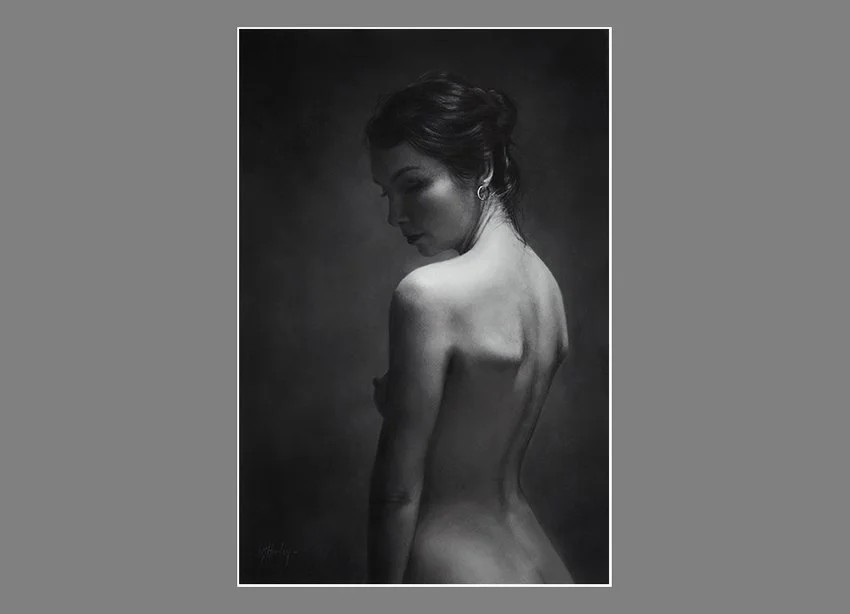
Between Moments - 52cm x 33cm drawn in 24K gold and pure silver.
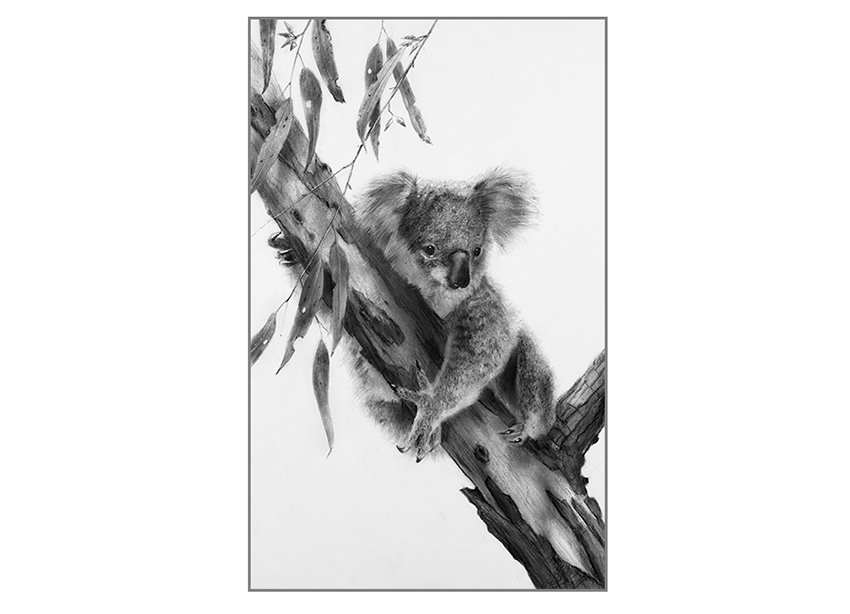
A Quiet Place - 51cm x 33cm drawn in 24K gold and pure silver.
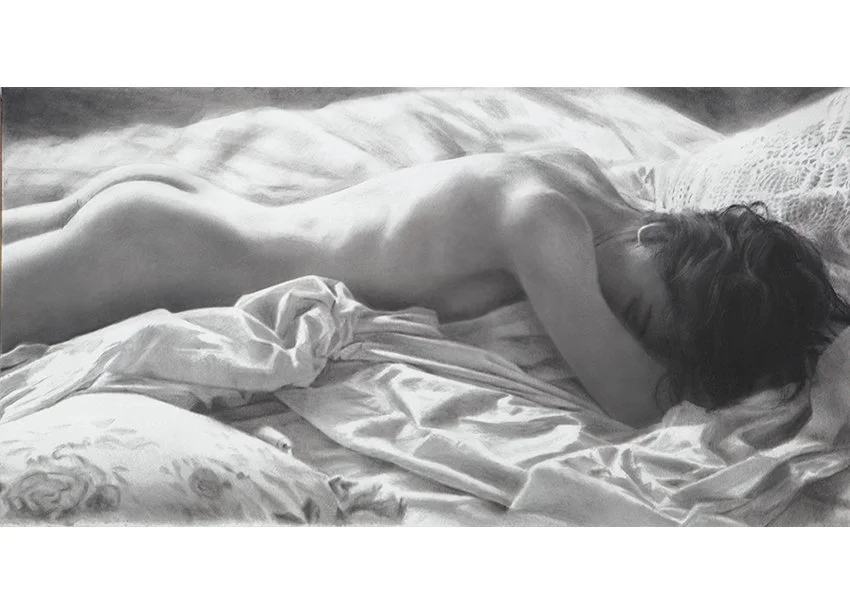
Lazy Sunday Afternoon 30cm x 60cm. Drawn in 24K gold and pure silver.
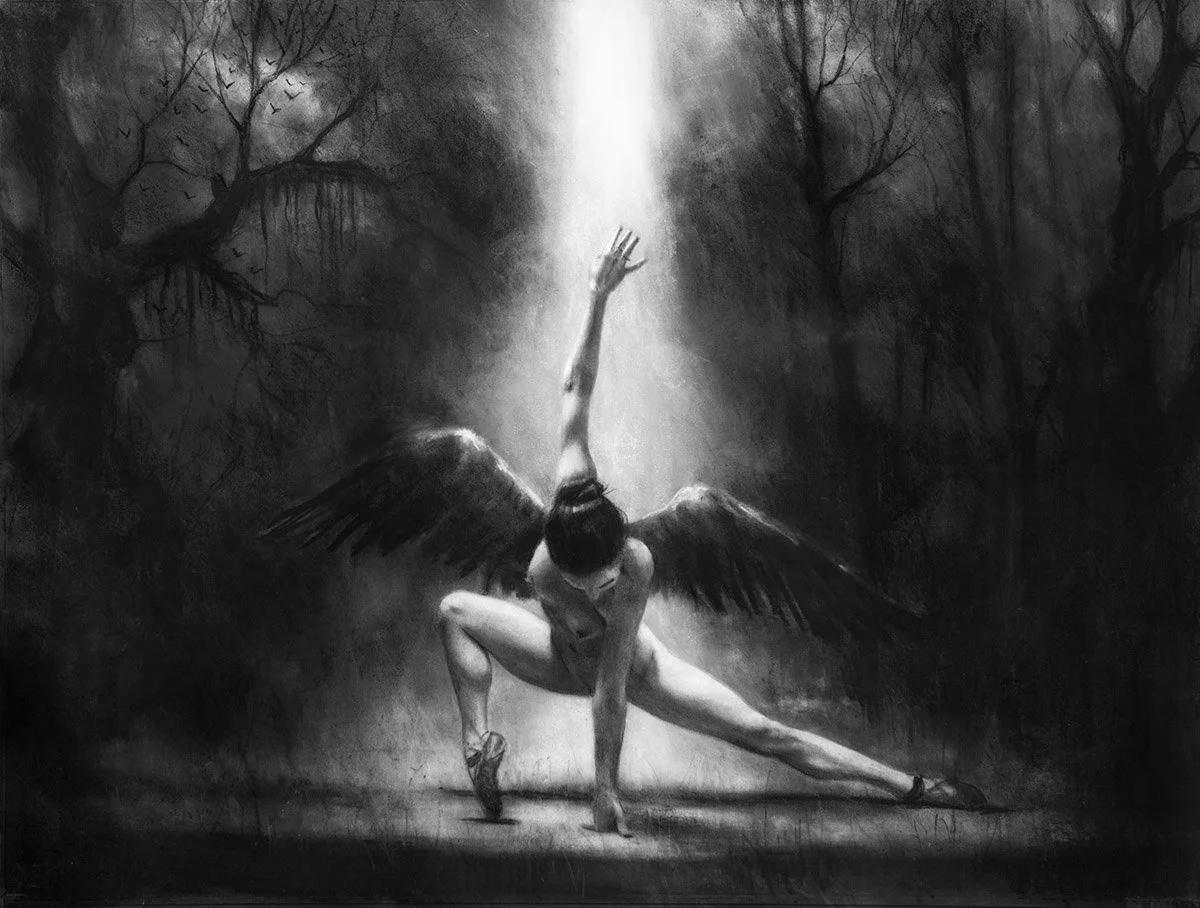
O fortuna - 72cm x 52cm in 24K Gold and pure silver. Also available as a limited edition print of only 10.
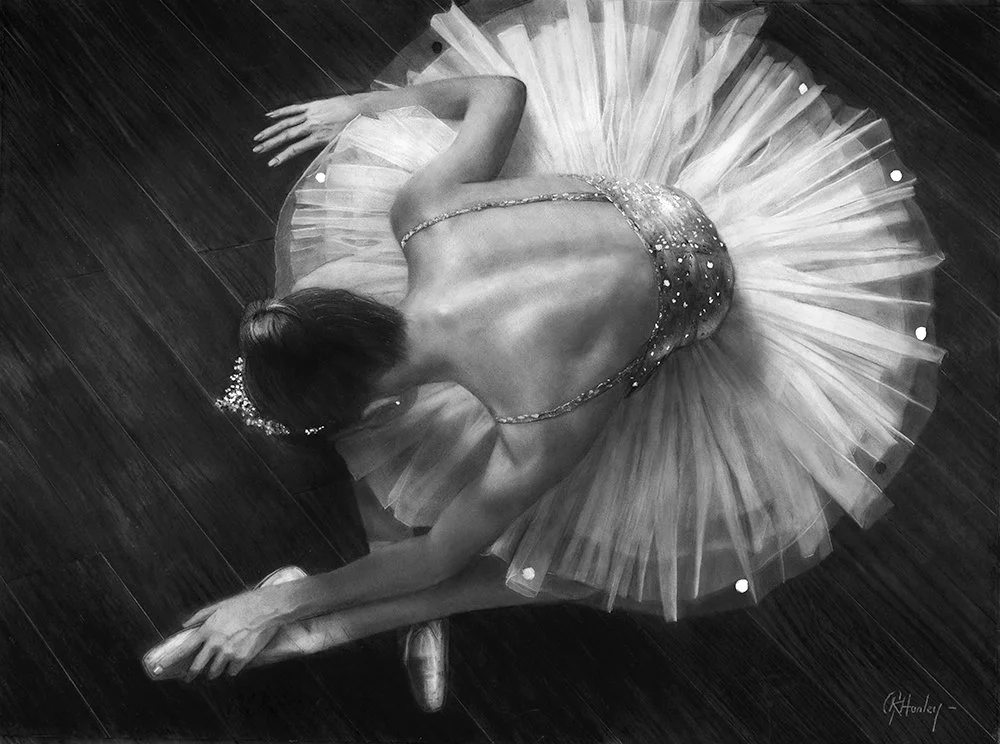
Prelude - 72cm x 52cm in 24K Gold, aluminium, platinum and white gold leaf.
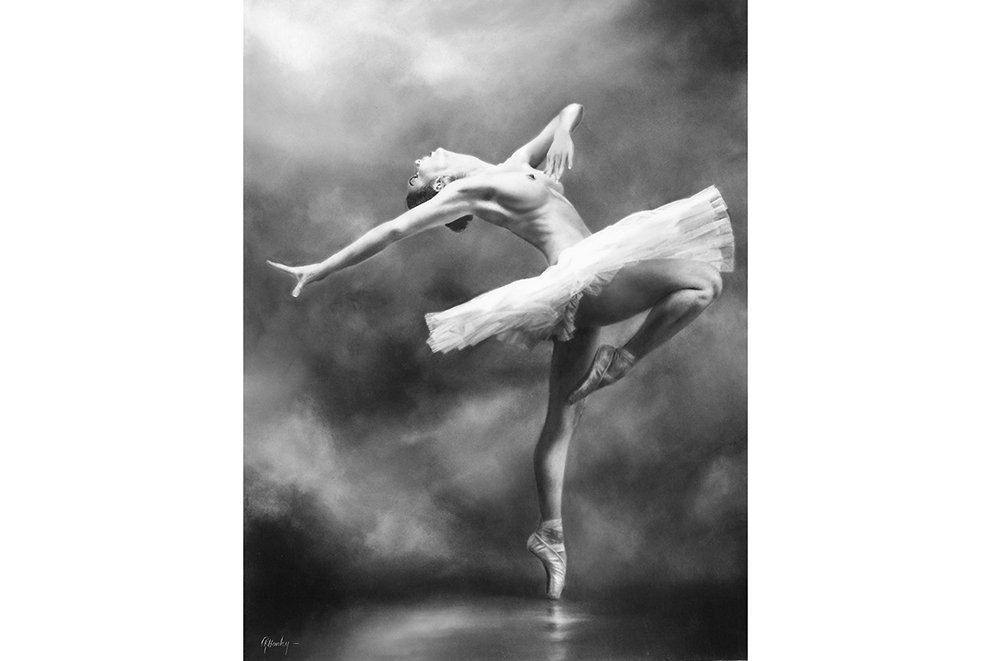
Firebird - 72cm x 52cm in 24K Gold and pure silver.

Fallen Angel - 72cm x 52cm in 24K Gold, platinum, aluminium and pure silver. Also available as a limited edition print of only 10 copies.